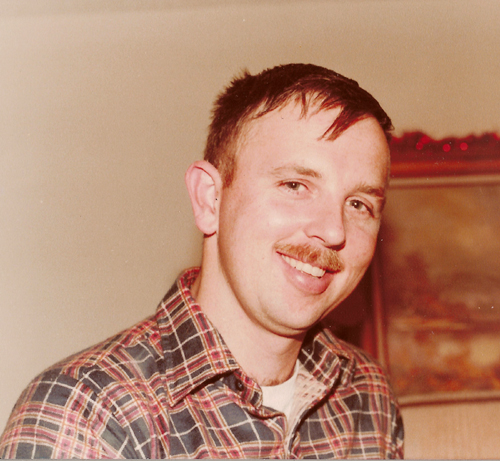
William Harold Stancil on Dec. 24, 1979. Courtesy Stancil Reunion Archive
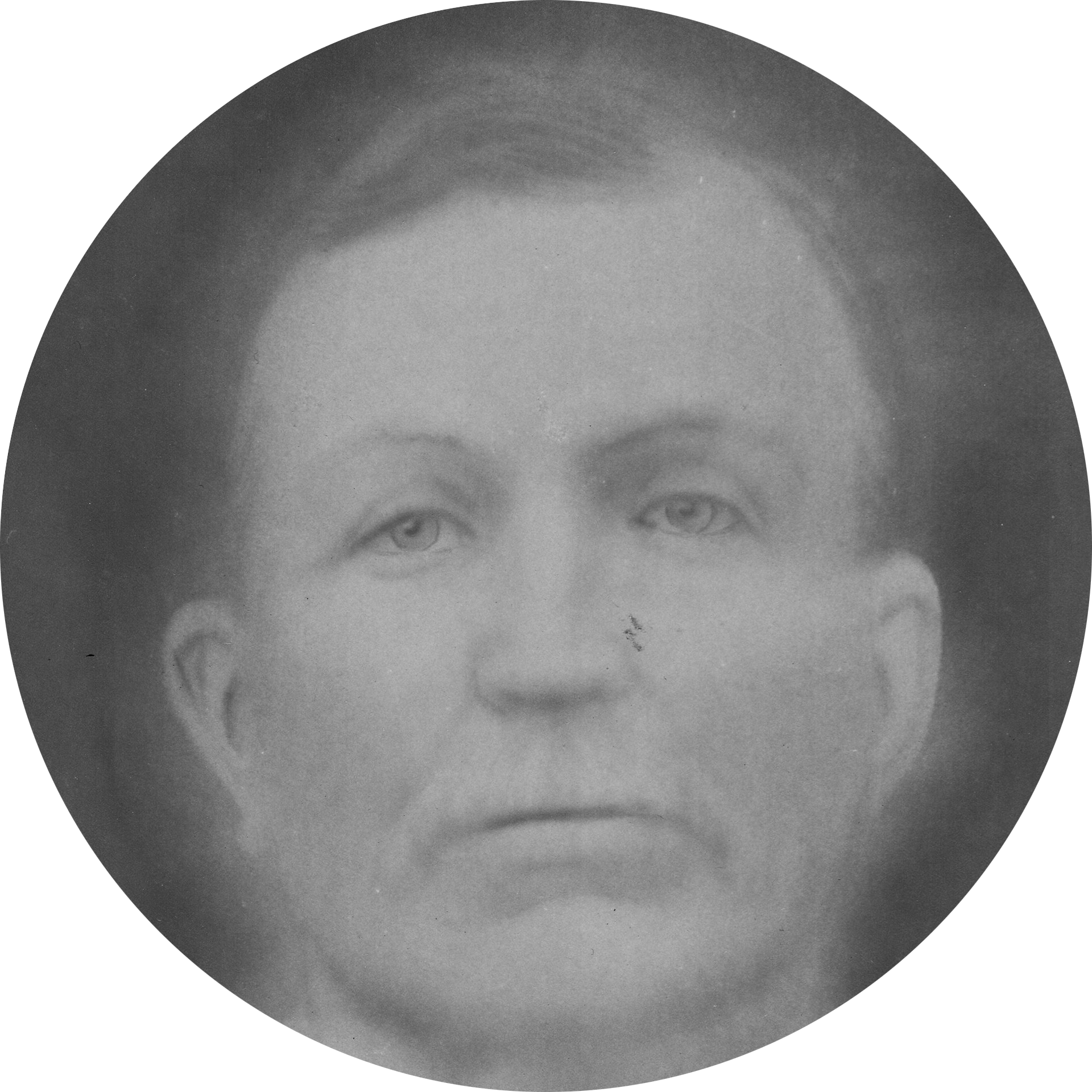
William Harold Stancil grew up farming at the Stancil family farm in Ocala, Florida.
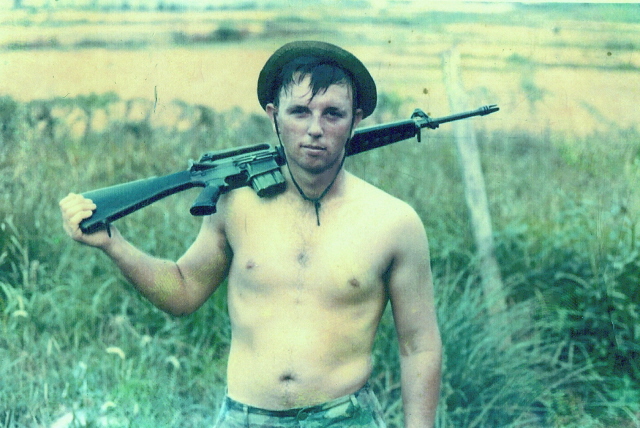
He spent one of his careers in the military. He served in the United States Marine Corps — reaching the rank of Master Sergeant — from Nov. 27, 1968, to May 31, 1990. He was in Vietnam from January 1971 to July 1971.
He earned high marks as a platoon marksman — scoring a 232 expert at Parris Island — and used his shooting skills to help another soldier pass basic training.
He also spent six months in cold-weather training in upstate New York at Fort Drum.
Harold currently spends his time farming, hunting deer, and searching for Civil War relics.
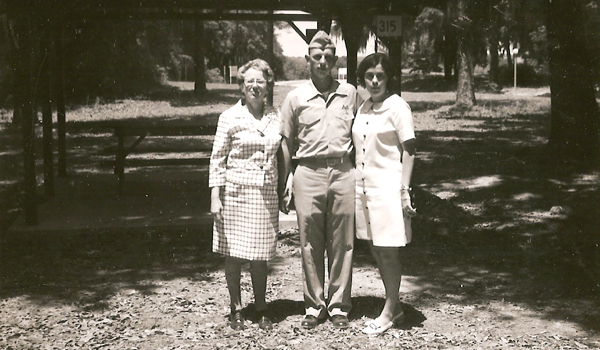
William Harold Stancil with mother Ethel Hales Stancil and his wife Linda after graduating from Parris Island, S.C. Courtesy Stancil Reunion Archive
The following is a story written by Harold's mother, Ethel Hales Stancil,
when he decided to join the Marine Corps.
William Harold Stancil in Vietnam. Courtesy Stancil Reunion Archive
Harold was 19 last November. Suddenly, at least to us, he decided to join up with the Marine Corps — to be through with schooling and the farm, at least for now.
He received a four-month waiting period. That meant he would not leave until after the hunting season.
His dad and I couldn't talk about it, although we had felt certain that sooner or later military service would face him and his older brother, also in college.
There are those who might think us ashamed of his decision, but that is not true. We are proud of his decision to serve his country in a time of need, but for selfish reasons, we did not want him to go unless necessary and then after his formal schooling.
"No need to try to replace him. He can't be replaced."
— Ralph Stancil on Harold
A farmer's son is different. He is raised differently. He grows up at his father's heels. Before Harold went to school, he was driving tractors through gates. He played in the fields at the end of the rows in the shade while his father worked, so he could ride home with him.
There was an old quilt his father carried on the tractor for Harold's pallet when he grew tired enough to nap.
As he grew, he learned to farm so efficiently that his father said today, when he left, "No need to try to replace him. He can't be replaced."
We had hoped Harold would stay on the farm. We know it is difficult to make a good living on the farm without outside assistance, but we had hoped he'd get a degree in teaching or another field at a nearby college and farm part-time.
Last year Harold went to our community college. This year, we had hoped he would do the same and farm part-time. His dad has reached the point where farming is too hard for him and he is working in town for a real estate office.
How the four-month waiting period rushed by.
Today he left. The past week was filled with parties and final gatherings for him. Last night, his girlfriend stayed here so they could spend all the last minutes possible together.
Today Harold emptied his billfold of money, pictures, and credit cards. Today we told him goodbye.
Not at the bus station did we tell him goodbye, but at home. Only his girlfriend was there to see him leave. His dad cried openly — one of the few times I have seen him cry. Somehow I held back my tears — for then.
Harold told his girlfriend that in four years he wants to come back — and farm.
I am glad I told him before he left that when he comes back, the farm will be here, and he will be free to farm it if he desires.
I know now that Harold did not really want to go — to leave home. He felt this was something he had to do.
Only time will tell whether he will come back to the farm. Meanwhile, we will try to hold onto it. We will run cattle on the improved pastures, rent out the tobacco and peanut allotments, and continue to rent out the four rental houses on the place.
We're looking forward to 1973 when Harold says he will be coming home to stay. We are looking forward expectantly, hopefully, prayerfully.
Note: Harold came back “home” in 1990, after 21 years in the U.S. Marine Corps.
It was the delight we had hoped for. His dad, at 84, still drives tractors and does limited work on the farm. I, his mother, at nearly 76, still work a few hours a month in the accounting office in Ocala, where I have over 40 years of experience.
Does Harold help on the farm? You bet. And we are just as happy to have him here as we had imagined.
Written by Ethel Hales Stancil Mother of William Harold Stancil